
As artificial intelligence (AI) evolves and spreads across various sectors, the need for ethical guidelines and oversight becomes more crucial. AI has the potential to revolutionize industries like healthcare, finance, and transportation, but it also raises significant ethical concerns. This is where AI ethics jobs become vital. The demand for professionals who can address the ethical challenges posed by AI is increasing. In this article, we will explore why AI ethics jobs are in high demand, the role of professionals in this field, and how you can prepare for a career in AI ethics.
The Role of AI Ethics Professionals
AI ethics professionals ensure the responsible development and use of AI technologies. They identify and address ethical risks associated with AI systems, promoting fairness, transparency, and alignment with human values. These professionals combine expertise from technology, law, philosophy, and social impact to guide AI development in ways that benefit society.
Their tasks include assessing AI systems for bias, ensuring compliance with regulations, advocating for privacy rights, and advising companies on building responsible AI models. As AI integrates into decision-making processes that affect individuals and communities globally, the role of AI ethics professionals becomes even more critical.
Why AI Ethics Jobs Are in High Demand
Several factors are driving the growing demand for AI ethics jobs. First, AI technology is rapidly expanding across industries. It is no longer limited to research labs or tech companies; AI is now used in criminal justice, hiring practices, healthcare diagnostics, and even military applications. As AI influences more areas of daily life, the need for professionals to ensure its ethical deployment becomes more urgent.
Additionally, awareness of the potential harms caused by unethical AI practices is on the rise. Issues like algorithmic bias, data privacy concerns, and the risk of perpetuating societal inequalities have prompted public and private sectors to seek expert guidance. As a result, organizations are hiring AI ethicists and policy analysts to navigate the ethical complexities of AI development.
AI Ethics and the Legal Landscape
The evolving legal landscape is another factor fueling the demand for AI ethics jobs. Governments worldwide are recognizing the need for regulations to govern AI development and use. For example, the European Union has introduced the Artificial Intelligence Act, which aims to create a legal framework focusing on safety, fairness, and accountability. Similarly, the United States is considering federal AI regulations that emphasize transparency and fairness in AI systems.
As these regulations evolve, professionals who can interpret, advise, and ensure compliance with these laws will become even more valuable. AI ethics professionals play a key role in helping organizations understand and implement these requirements. They also advocate for stronger protections of individual rights, such as privacy and freedom from discrimination, as AI technologies become more prevalent in both public and private sectors.
Key Responsibilities of AI Ethics Professionals
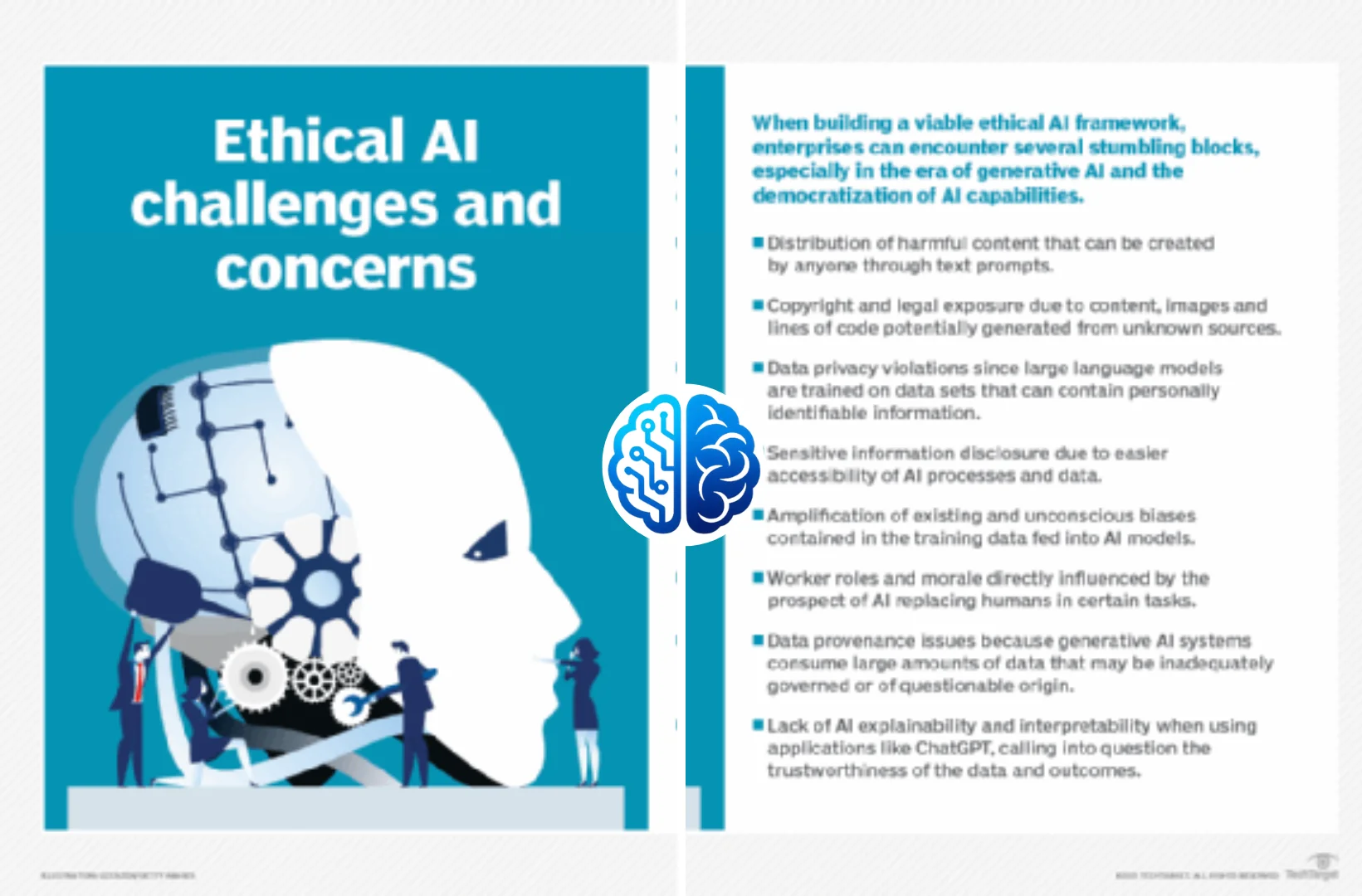
AI ethics professionals ensure AI technologies are effective and ethical. They assess AI systems for bias, ensure compliance with regulations, and advocate for privacy rights. They also design AI systems that prioritize transparency and accountability.
As AI systems become more integrated into hiring, healthcare, and criminal justice, ensuring these technologies are developed with fairness and human rights in mind is critical. AI ethics professionals work with engineers, designers, and business leaders to ensure AI models are transparent, explainable, and free from harmful stereotypes. Their work also ensures that companies comply with privacy regulations like GDPR and respect individual rights and freedoms.
What Skills Are Needed for AI Ethics Jobs?
AI ethics jobs require a combination of technical expertise and ethical knowledge. AI ethics professionals need to understand how AI and machine learning systems work. While they don’t need to be engineers, a solid understanding of AI technology is essential for evaluating the ethical implications of AI systems.
Ethical knowledge is also crucial. AI ethicists must grasp ethical theories, human rights, and social justice principles. They should be familiar with concepts like fairness, autonomy, and privacy, and be able to apply them in the context of AI. Understanding legal frameworks is important, as professionals must know laws governing AI, such as privacy regulations like GDPR.
Strong communication skills are essential. AI ethics professionals must explain complex ethical issues to both technical and non-technical stakeholders. They need to advocate for responsible practices and educate teams about the ethical implications of their work. Problem-solving and critical thinking skills are also vital, as AI ethics professionals must analyze complex situations and propose solutions.
How to Get Started in AI Ethics
If you’re interested in a career in AI ethics, several steps can help you get started. First, consider your educational background. A degree in computer science, philosophy, law, or social sciences provides an excellent foundation. Many AI ethicists have a mix of technical and humanities-based education, as the field requires both analytical and ethical reasoning skills.
Specialized training can be beneficial. Many universities offer courses and certifications in AI ethics and responsible AI. These programs can help you acquire the necessary skills and knowledge. Additionally, gaining experience through internships, volunteering, or research projects is a great way to build your credentials.
Staying current with AI technology, ethics, and regulations is crucial in this fast-moving field. Attend conferences, read academic papers, and engage with the AI ethics community to stay informed and connected.
People Also Read: How AI Vending Machines Are Changing the Future of Automated Retail
Conclusion
The increasing demand for AI ethics jobs reflects the growing need to develop AI technologies responsibly. As AI continues to shape our world, professionals in AI ethics will play a critical role in addressing the ethical challenges these technologies pose. Whether you come from a technical, legal, or philosophical background, many opportunities exist in this field. By staying informed, developing the necessary skills, and gaining experience, you can help create AI systems that are powerful, ethical, fair, and aligned with human values.
FAQs
What is the role of AI ethics professionals?
AI ethics professionals ensure that AI systems are developed and used responsibly, addressing issues like bias, fairness, transparency, and privacy.
Why are AI ethics jobs in high demand?
As AI technology continues to grow and influence various industries, the need for experts to guide its ethical development becomes increasingly essential.
What skills are needed for AI ethics jobs?
Key skills include understanding AI and machine learning, ethical reasoning, legal and regulatory knowledge, and strong communication abilities.
How can I start a career in AI ethics?
A background in computer science, philosophy, law, or social sciences, along with specialized training in AI ethics, can help you enter this growing field.
Why do AI ethics jobs matter?
AI ethics jobs ensure that AI technologies are used safely and fairly, preventing harm and ensuring that AI benefits society without perpetuating inequalities.