

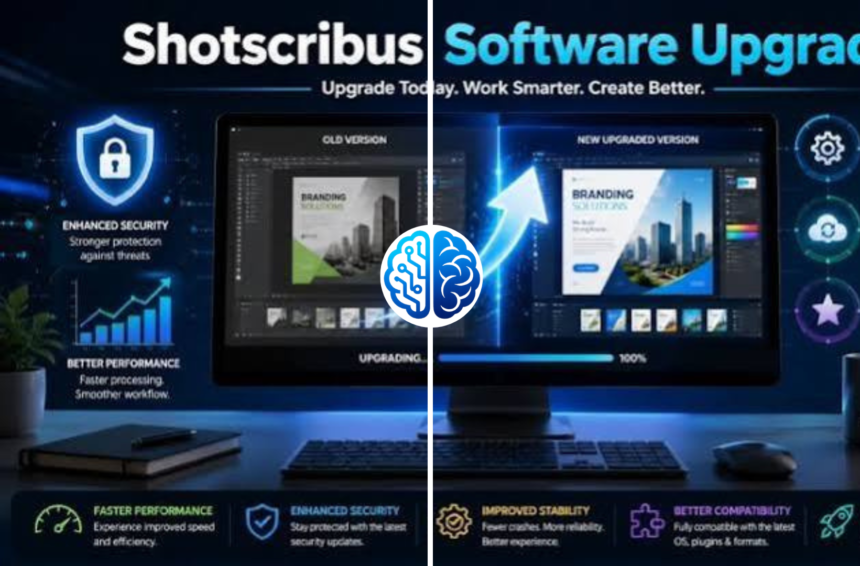
Software upgrades are usually simple, but they should never be done carelessly. This is especially true when the software is used for design, publishing, layout work, or document production. A small update can improve speed and stability, but it can also change settings, file behavior, plugins, or compatibility.
The term ShotScribus Software Upgrade is not widely recognized as an official mainstream software name. In many online discussions, it appears to be connected with publishing or design software, and it is often confused with Scribus, the open-source desktop publishing program used for brochures, newsletters, posters, magazines, books, and print-ready PDF files.
Because of this, users should approach the upgrade carefully. Before installing anything, it is important to understand what the upgrade means, why it matters, what benefits it may bring, and what steps should be taken before updating.
Quick Bio Table
| Information | Details |
|---|---|
| Category | Software & Technology |
| Software Type | Desktop Publishing / Design Software |
| Purpose | Improve performance and stability |
| Main Features | Bug fixes, compatibility, security updates |
| Supported Platforms | Windows, macOS, Linux (depending on version) |
| Upgrade Method | Manual installation from trusted source |
| Key Benefits | Better performance, security, and reliability |
| Recommended For | Designers, publishers, students, and businesses |
| Risks Before Updating | File compatibility and plugin issues |
| Important Step | Back up all files before upgrading |
What Is ShotScribus Software Upgrade?
A ShotScribus software upgrade means moving from an older version of the software to a newer one. The upgrade may include bug fixes, better performance, improved design tools, security patches, updated export options, and better compatibility with modern operating systems.
If the term is being used for a Scribus-related tool, then the upgrade may be linked to desktop publishing features such as page layout, typography, image handling, color management, and PDF exporting.
In simple words, the upgrade is not just about getting a new version number. It is about making the software more reliable, safer, and more useful for daily work.
Why the Upgrade Matters
Many people ignore software upgrades until something stops working. That is not a good habit, especially if the software is used for important projects.
An upgrade can fix problems that users may already be facing, such as crashes, slow loading, missing tools, export errors, or file compatibility issues. It can also prepare the software for newer devices, updated operating systems, and modern design workflows.
For people who work with printed documents, digital layouts, PDF files, or client projects, stability matters a lot. Losing formatting or facing export problems at the last moment can be stressful. A proper upgrade helps reduce that risk.
Before You Update
Before updating ShotScribus or any Scribus-style publishing software, the first step is preparation. Never upgrade important software without checking your current setup.
Start by noting your current version. Then check whether the new version supports your operating system. If you are using Windows, macOS, or Linux, make sure the installer is made for your system.
You should also check whether your existing project files will open correctly in the new version. Some software updates change file handling, fonts, plugins, or export settings. If you work with client files, business documents, or print material, create backups before doing anything.
Backup Your Files
This is the most important step. Before upgrading, make a backup of all important project files, templates, fonts, images, exported PDFs, and settings.
A backup protects you if something goes wrong during the upgrade. For example, the new version may not open an old file correctly, or your previous settings may not transfer properly. In that case, your backup gives you a safe copy to restore.
It is better to keep the backup in more than one place. You can save one copy on your computer and another copy on an external drive or cloud storage. This small step can save hours of frustration later.
Check System Requirements
Every software version has system requirements. These may include processor type, memory, storage space, graphics support, and operating system version.
If your computer is old or low on storage, the upgraded version may feel slower instead of faster. That does not always mean the upgrade is bad. Sometimes it simply means your system is not ready for the newer version.
Before installing the upgrade, close unnecessary programs, clear temporary files, and make sure your system has enough free space. This helps the installer run smoothly.
Download From a Trusted Source
A software upgrade should always be downloaded from a trusted source. This is very important because fake installers and unofficial download pages can contain unwanted programs, malware, or modified files.
If you are upgrading Scribus, use the official Scribus website or a trusted open-source software repository. If you are upgrading a product specifically called ShotScribus, check whether the developer has an official website, verified download page, or clear release notes.
Avoid random download buttons on unknown websites. A clean installation starts with a safe installer.
What Benefits Can You Expect?
The biggest benefit of a software upgrade is improved reliability. A newer version may fix bugs that caused crashes, layout problems, or export issues.
Another benefit is better compatibility. Modern operating systems change over time, and older software may not work perfectly with them. An upgrade helps the software stay usable with newer system updates.
Users may also see improvements in speed, file handling, interface behavior, PDF output, font rendering, and image support. These changes may look small, but they can make daily work much smoother.
Better Performance
Performance is one of the common reasons people update software. A better version may open files faster, handle large documents more smoothly, or reduce freezing during editing.
For publishing software, performance matters because documents often contain images, text boxes, fonts, shapes, and high-resolution graphics. If the software is slow, even simple editing can become tiring.
An upgrade may improve how the program manages memory and processes complex layouts. This can be helpful for users working on magazines, catalogs, posters, newsletters, or long PDF documents.
Improved Security
Security is another important reason to upgrade. Older software can have weaknesses that are later fixed by developers. If users continue using outdated versions, they may miss important security patches.
This matters more when software opens external files, imports images, handles PDFs, or works with plugins. A safer version reduces the risk of file-related problems and software vulnerabilities.
Even if you are not a professional designer, security should still matter. Keeping software updated is one of the simplest ways to protect your system.
New Features
Some upgrades include new features. These may be small tools, improved menus, better import options, new export settings, or changes in the user interface.
For a publishing program, new features can help users save time. For example, improved PDF export can make print preparation easier. Better text tools can improve document formatting. Better image handling can make layouts cleaner and more professional.
However, users should not upgrade only because of new features. Stability and compatibility are just as important.
Possible Problems After Updating
Not every upgrade is perfect. Sometimes users face problems after installing a new version. These problems may include missing settings, changed menus, plugin errors, font issues, or files opening differently.
This does not always mean the upgrade failed. It may simply mean the new version handles some things differently.
That is why testing is important. After upgrading, open a few older files and check the layout carefully. Look at fonts, images, margins, colors, and PDF export quality. If everything looks correct, you can continue using the new version with confidence.
Plugin and Font Issues
Plugins and fonts can create problems after an upgrade. If the software depends on extra tools, extensions, or custom fonts, those items may need to be updated too.
Fonts are especially important in publishing work. If a font is missing or replaced, the entire layout can change. Text may move, lines may break differently, or headings may not look the same.
Before updating, make a list of fonts and plugins used in your projects. After the upgrade, check whether they still work properly.
File Compatibility
File compatibility is one of the biggest concerns before upgrading. Some newer versions can open old files easily, but saving them in a new format may make them harder to open in older versions.
This is common in many professional tools. Once a file is saved in a newer format, going back may not be simple.
To stay safe, never overwrite your original project file immediately after upgrading. Instead, open the file and save a copy with a new name. This keeps the older version safe in case you need it later.
How to Upgrade Safely
A safe upgrade process is simple but careful.
First, back up your files. Second, check system requirements. Third, download the installer from a trusted source. Fourth, close the old program before installing. Fifth, run the installer and follow the instructions. Sixth, restart your computer if needed. Finally, open the software and test important files.
This process may take a little extra time, but it lowers the chance of mistakes. It also gives you confidence that your work is safe.
After the Upgrade
After updating, do not start major work immediately. First, test the software.
Open an old project. Check whether images load correctly. Look at text alignment, fonts, page size, margins, and color settings. Export a PDF and compare it with the previous version if you have one.
If everything looks normal, continue working. If you notice problems, check settings, update plugins, reinstall missing fonts, or restore your backup files.
Should You Update Immediately?
Not every user needs to update on the first day. If you use the software for serious work, it may be better to wait a short time and read user feedback.
New releases sometimes have early bugs. Waiting can give developers time to fix issues. However, if the update includes important security fixes, waiting too long is not wise.
A balanced approach works best. Check what the update includes. If it fixes serious bugs or security issues, update sooner. If it is a major feature release, test it first before using it for important work.
Who Should Upgrade?
The upgrade is useful for users who want better stability, improved compatibility, and safer software. Designers, publishers, students, freelancers, bloggers, and small business owners may benefit from keeping their software updated.
It is also useful for users who work with PDFs, printed documents, newsletters, brochures, posters, or layout-heavy projects.
However, users with old computers or important ongoing projects should be more careful. They should test the upgrade before fully depending on it.
PEOPLE ALSO READ: How Much Mogothrow77 Software Is Open Source? A Closer Look at the Facts
Final Thoughts
The ShotScribus Software Upgrade is best understood as an important update process for a publishing or design-related tool. Since the name ShotScribus is not strongly verified as a major official software product, users should be careful and confirm the source before downloading anything.
If the upgrade is related to Scribus or a similar desktop publishing program, the main goal is clear: better performance, safer use, improved compatibility, and a smoother publishing workflow.
Before updating, always back up your files, check system requirements, download from a trusted source, and test your projects after installation. A careful upgrade protects your work and helps you enjoy the benefits of the new version without unnecessary stress.
In the end, a software upgrade is not just a technical step. It is part of keeping your creative work safe, organized, and ready for modern publishing needs.
Frequently Asked Questions
What is the ShotScribus software upgrade?
It is an update process that improves the software’s performance, security, stability, and compatibility.
Is it safe to upgrade ShotScribus?
Yes, provided you download the update from a trusted source and back up your files first.
Can I lose my projects after upgrading?
Normally no, but creating backups before updating is highly recommended.
Why should I update the software?
Updates often fix bugs, improve performance, and add new features or compatibility improvements.
Should I install every new update immediately?
Not always. Check the release notes and user feedback before updating important work systems.