
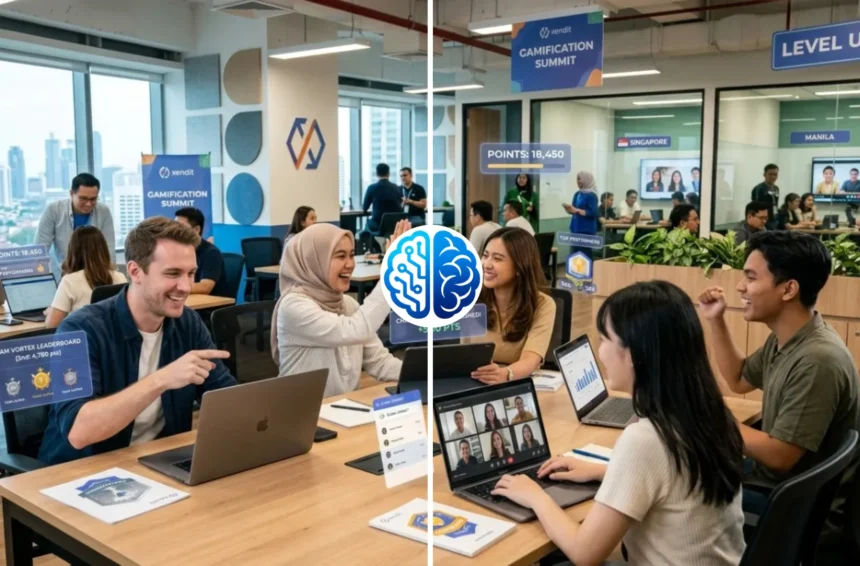
GamificationSummit Xendit Work has recently become a searched phrase online, especially among people trying to understand the connection between workplace gamification, fintech culture, and modern employee engagement. At first, the phrase may sound confusing because it combines three different ideas: gamification, summit-style learning, and Xendit’s work environment.
In simple words, GamificationSummit Xendit Work appears to describe a modern workplace concept where game-like systems are used to make professional tasks more engaging, measurable, and motivating. It is not about turning serious work into a game. Instead, it is about using smart design, recognition, progress tracking, and team-based challenges to help people feel more connected to their daily work.
This topic is gaining attention because many companies today are looking for better ways to keep employees motivated. Traditional work systems often focus only on deadlines, targets, and performance reviews. Gamification adds something different: visible progress, small achievements, friendly competition, and a stronger sense of participation.
Quick Bio Table
| Information | Details |
|---|---|
| Topic | GamificationSummit Xendit Work |
| Category | Workplace Gamification |
| Industry | Fintech & Employee Engagement |
| Primary Focus | Employee Motivation |
| Main Purpose | Improve Workplace Productivity |
| Key Concept | Gamification in Professional Environments |
| Common Features | Points, Badges, Challenges, Rewards |
| Target Audience | Employees, Managers, HR Professionals, Business Leaders |
| Potential Benefits | Better Engagement, Learning, Teamwork |
| Official Xendit Program? | Not Publicly Confirmed |
| Related Topics | Employee Experience, Digital Workplace, Learning & Development |
| Trending Status | Emerging Online Search Topic |
What Is GamificationSummit Xendit Work?
GamificationSummit Xendit Work can be understood as a phrase connected to workplace gamification and employee engagement ideas. It suggests the use of game-inspired methods in a professional setting, possibly discussed through summit-style events, digital workplace strategies, or fintech-related work culture conversations.
Xendit is known as a financial technology company that provides payment infrastructure for businesses. Because fintech companies usually work in fast-moving environments, they often need strong teamwork, quick learning, and high employee involvement. This is where gamification becomes relevant.
In a workplace setting, gamification may include points, badges, progress levels, leaderboards, team missions, learning challenges, and reward systems. These tools are used to encourage participation and help employees see their progress more clearly.
The main idea is simple: when people can see their progress, receive recognition, and feel part of a shared goal, they are more likely to stay engaged.
Why People Are Searching It
People are searching for GamificationSummit Xendit Work because the phrase feels new, unusual, and connected to modern work trends. Many readers want to know whether it is a company program, a summit, a workplace strategy, or a general concept.
Another reason is curiosity around fintech companies. Fintech workplaces are often seen as innovative, fast-paced, and digital-first. When a phrase links Xendit with gamification, people naturally want to understand whether it refers to employee motivation, product design, internal culture, or business growth.
It is also possible that the keyword became popular because several websites started writing about it as a trending workplace concept. However, it is important to explain it responsibly. Public information does not clearly confirm it as an official Xendit internal program. So, the safest and most honest way to describe it is as a workplace gamification concept linked with Xendit-related search interest.
How Gamification Works at Work
Gamification works by using elements from games and applying them to real workplace goals. These elements are not added only for fun. They are designed to guide behavior, improve focus, and make progress easier to understand.
For example, an employee may complete a training module and receive a badge. A team may finish a project milestone and unlock a shared achievement. A department may track weekly progress through a dashboard. These small systems create motivation because people can see what they have done and what comes next.
In many offices, employees work hard but do not always receive regular feedback. Gamification helps fill that gap. It gives people a clearer view of their contribution and encourages them to keep improving.
When used properly, gamification supports learning, collaboration, and recognition. When used poorly, it can feel forced or childish. That is why thoughtful design matters.
The Role of Xendit
Xendit is a fintech company that helps businesses accept and send payments through digital payment infrastructure. The company operates in markets where payment methods, customer expectations, and business needs can change quickly.
This makes Xendit a useful example when discussing modern work systems. Companies in fintech often need employees who can learn fast, solve problems, work across teams, and adapt to changing technology. Gamification can support these needs by making learning and collaboration more structured.
For example, a fintech team might use gamified learning to train employees about compliance, customer support, product updates, or technical workflows. Instead of long and boring training sessions, employees may complete short challenges, earn progress points, and receive recognition for completing important learning goals.
This does not mean every gamification idea is officially part of Xendit’s internal system. It simply means the phrase connects naturally with the kind of work culture people associate with digital finance companies.
Key Features
A workplace gamification system usually includes several important features. One of the most common is progress tracking. Employees can see where they are, what they have completed, and what they still need to do.
Another feature is recognition. This may come in the form of badges, shout-outs, certificates, or internal rewards. Recognition is powerful because people want their efforts to be noticed.
A third feature is team challenges. Instead of making everything individual, companies can create shared goals where teams work together. This helps avoid unhealthy competition and builds stronger collaboration.
There may also be learning paths, where employees complete small lessons or tasks step by step. This is useful in industries like fintech, where employees need to understand tools, security, compliance, customer handling, and product updates.
Benefits for Employees
One of the biggest benefits of gamification is motivation. Work can sometimes feel repetitive, especially when employees do not see immediate results. Gamification gives people small signs of progress, which can make daily work feel more meaningful.
It can also improve confidence. When employees complete challenges or learning tasks, they feel a sense of achievement. This can encourage them to take on more responsibility and continue learning.
Another benefit is better communication. Team-based challenges can bring employees together, especially in hybrid or remote workplaces. When people work toward shared goals, they are more likely to communicate, support one another, and celebrate progress.
Gamification can also reduce the feeling of being invisible at work. In many companies, only big achievements get attention. A gamified system can recognize smaller but important contributions too.
Benefits for Companies
For companies, gamification can improve engagement and productivity. When employees are more involved, they are more likely to complete training, participate in company programs, and stay focused on important goals.
It can also help managers understand team progress. Dashboards and activity tracking can show which employees are completing learning goals, which teams need support, and where workflow problems may exist.
Another advantage is employee retention. People are more likely to stay in workplaces where they feel recognized and connected. Gamification alone cannot fix a poor work culture, but it can support a healthy one when combined with fair management and meaningful rewards.
Companies can also use gamification to improve onboarding. New employees often feel overwhelmed. A structured path with simple milestones can help them learn step by step without feeling lost.
Why It Matters in Fintech
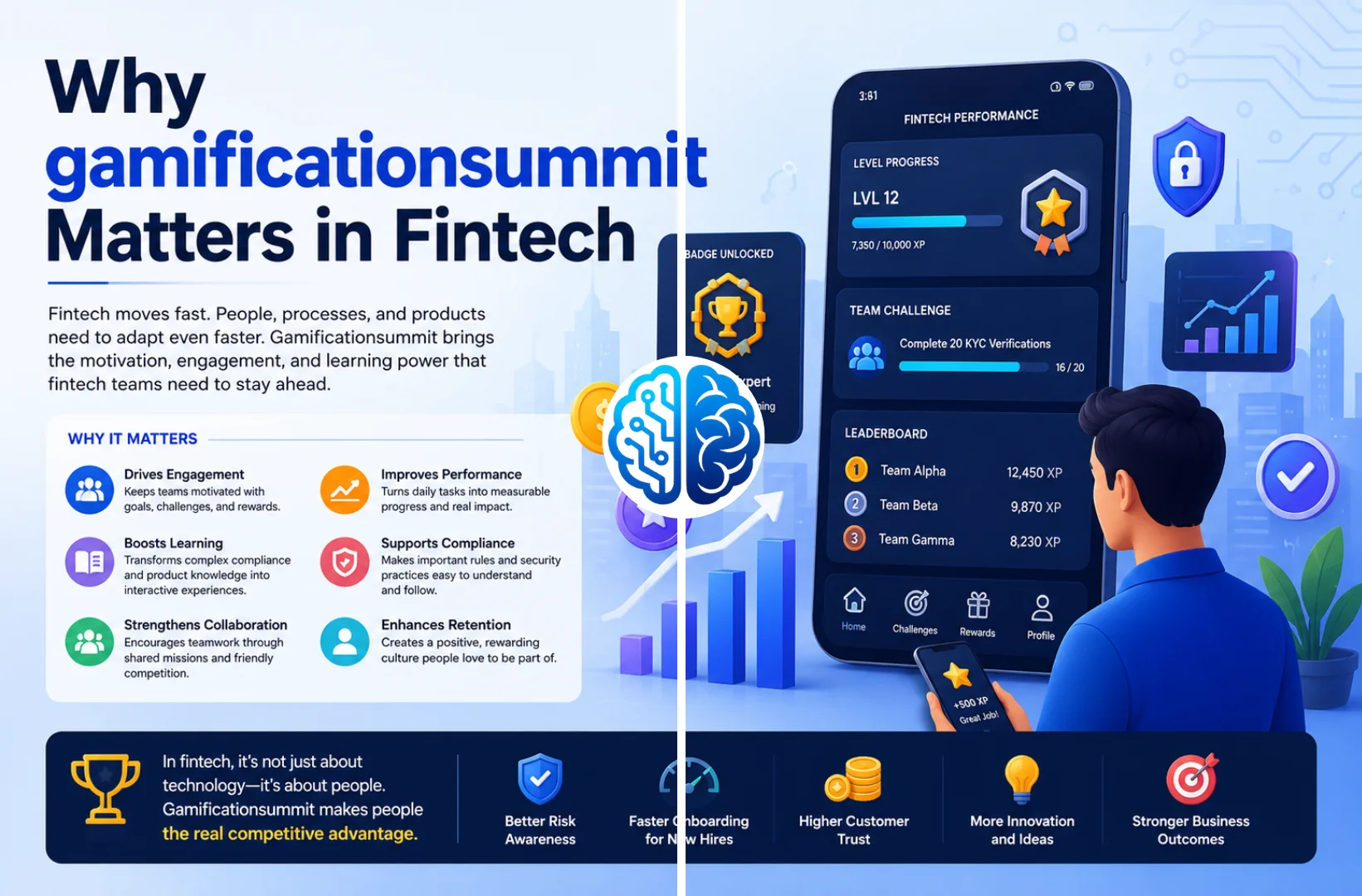
Fintech is a fast-moving industry. Employees often deal with technology, payments, security, regulations, customer needs, and product changes. This kind of environment requires continuous learning.
Gamification fits well because it can make learning easier to follow. Instead of expecting employees to absorb everything at once, companies can break information into smaller goals. Each completed task becomes part of a larger progress journey.
In fintech, accuracy is also very important. A small mistake in payment processing, compliance, or customer support can create serious problems. Gamified training can help employees practice important skills in a controlled and engaging way.
It also supports innovation. When employees feel encouraged to contribute ideas, solve problems, and collaborate, the company becomes more flexible and creative.
The Human Side
The human side of GamificationSummit Xendit Work is what makes the topic interesting. At its heart, the idea is not about points or leaderboards. It is about helping people feel that their work matters.
Most employees do not want to be treated like machines. They want clarity, respect, growth, and recognition. Gamification can support these needs when it is designed with empathy.
A good system does not pressure employees or shame low performers. Instead, it encourages progress at a healthy pace. It gives people room to learn, improve, and contribute.
The best workplace gamification systems feel natural. They support real work instead of distracting from it. They make employees feel guided, not controlled.
Possible Challenges
Gamification is not perfect. If companies use it only to push employees harder, it can create stress. Leaderboards, for example, can motivate some people but discourage others.
Another challenge is fairness. Employees may feel frustrated if rewards are unclear or if the same people always win. A good system should reward different types of contribution, not just speed or numbers.
There is also the risk of making work feel artificial. If badges and points do not connect to real value, employees may ignore them. Gamification works best when it supports meaningful goals.
Privacy is another important concern. If companies track employee activity, they must be transparent about what is being measured and why. Trust matters more than any dashboard.
Best Practices
A strong gamification system should start with a clear purpose. The company must know what it wants to improve: learning, teamwork, onboarding, productivity, customer service, or employee recognition.
The next step is choosing simple mechanics. Points and badges are useful, but they should not become the whole system. The focus should remain on real progress and meaningful participation.
Companies should also include employee feedback. Workers should have a voice in how the system feels and whether it helps them. If employees feel the system is forced, it will not work well.
Rewards should be balanced. Some rewards can be public recognition, while others can be learning opportunities, certificates, small bonuses, or team celebrations.
Most importantly, gamification should support a positive culture. It should never replace fair salaries, good leadership, or healthy work conditions.
Why the Topic Is Trending
The topic is trending because the future of work is changing. More companies are using digital tools, remote systems, and online collaboration. In this environment, keeping people engaged is not always easy.
Gamification offers one possible answer. It gives companies a way to make work more interactive and visible. It also fits with younger workers who are used to apps, progress bars, achievements, and instant feedback.
The phrase GamificationSummit Xendit Work also sounds like it belongs to the world of innovation, fintech, and workplace transformation. That makes it attractive for readers searching for modern business ideas.
However, readers should understand the difference between verified company information and general online discussion. The phrase may be popular, but public proof of an official Xendit program with this exact name is limited.
PEOPLE ALSO READ : How Mogothrow77 Software Is Built: A Complete Guide to Its Structure and Features
Final Thoughts
GamificationSummit Xendit Work is best understood as a modern workplace gamification concept connected with employee engagement, fintech culture, and digital work systems. It reflects a larger shift in how companies think about motivation, learning, and collaboration.
The idea is not simply about making work fun. It is about making progress visible, recognition more regular, and teamwork more meaningful. In fast-moving industries like fintech, these ideas can help employees stay connected and motivated.
At the same time, gamification must be used carefully. It should support people, not pressure them. It should reward real effort, not create unhealthy competition. And it should always be built on trust, fairness, and clear goals.
As more people search for GamificationSummit Xendit Work, the phrase may continue to grow as a discussion point around the future of work. Whether someone sees it as a trend, a workplace strategy, or a learning model, one thing is clear: companies are looking for better ways to make work more engaging, human, and rewarding.
Frequently Asked Questions
What is GamificationSummit Xendit Work?
GamificationSummit Xendit Work is a trending search term associated with workplace gamification, employee engagement, and modern work strategies, rather than a confirmed official Xendit program.
Is GamificationSummit Xendit Work an official Xendit initiative?
There is no public evidence confirming it as an official Xendit program. It is generally discussed as a concept related to gamification in the workplace.
How does workplace gamification improve employee performance?
It motivates employees through progress tracking, recognition, rewards, learning challenges, and collaborative goals, helping improve engagement and productivity.
Why are people searching for GamificationSummit Xendit Work?
The keyword has gained attention because it combines workplace gamification with Xendit’s reputation as an innovative fintech company, creating curiosity among readers.
Can other businesses use gamification in the workplace?
Yes. Organizations of all sizes can implement gamification to improve training, teamwork, employee motivation, onboarding, and overall workplace engagement.