
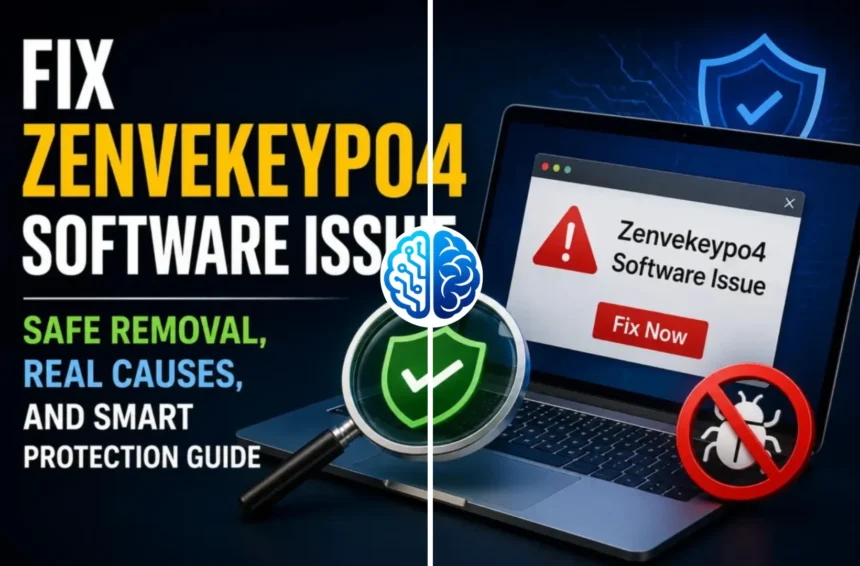
Fix Zenvekeypo4 software issue is a phrase many users may search when they see an unknown warning, error message, app problem, or suspicious software name on their device. At first, it may look like a normal technical issue. A user may think the software needs an update, repair, or reinstall. But with unclear software names, the safe approach is always more important than the fast approach.
Zenvekeypo4 is not a well-known software name with a clearly verified official website, trusted developer page, or widely recognized support documentation. Some online pages describe it as a productivity, automation, password, or key-management tool, while others discuss it as a suspicious software warning or pop-up issue. This mixed information means users should be careful before downloading anything related to it.
A software issue can be simple, such as a corrupted file or outdated app. It can also be risky, especially when the issue appears through pop-ups, browser redirects, fake alerts, or unknown installers. That is why this guide explains what the phrase means, why it may appear, what users should check first, and how to handle the problem safely.
Quick Bio Table
| Box | Details |
|---|---|
| Topic Name | Fix Zenvekeypo4 Software Issue |
| Main Meaning | Understanding and solving Zenvekeypo4-related software problems |
| Main Concern | Unknown or unclear software identity |
| Common Issue | Pop-ups, crashes, app errors, or suspicious warnings |
| Device Type | Mainly Windows computers and web browsers |
| Safety Level | Use caution before downloading anything |
| First Step | Check whether Zenvekeypo4 is actually installed |
| Safe Action | Remove suspicious apps and extensions |
| Recommended Scan | Use Windows Security or trusted antivirus software |
| Risk Factor | Fake alerts, adware, unwanted downloads, or privacy risks |
| Best Practice | Download software only from official sources |
| User Advice | Do not click unknown repair buttons or pop-up warnings |
| Better Alternatives | Trusted productivity, automation, password, or cleanup tools |
What It Means
The phrase fix Zenvekeypo4 software issue usually means solving a problem connected to a program, warning, or error message called Zenvekeypo4. The issue may appear as a system error, browser notification, installation failure, crashing app, or suspicious alert asking the user to take action.
In a normal case, fixing a software issue means repairing something that is not working correctly. It may involve restarting the device, updating the app, clearing temporary files, checking compatibility, or reinstalling the program. The general meaning of “fix” is to repair, correct, or solve a problem.
However, Zenvekeypo4 is not like common software names such as Microsoft Word, Chrome, Zoom, or Adobe Reader. Because the name is unclear, users should not assume that every “fix” page is safe. When a software name is not easy to verify, the first step is not repair. The first step is checking whether the software is real, trusted, and actually installed on the device.
Why Users Search It
People usually search this topic because something unusual happens on their computer or browser. They may see a warning that says the software has a problem. They may notice an app with an unfamiliar name in the installed programs list. They may also land on a website that claims their device has a Zenvekeypo4 issue.
Sometimes the problem may be harmless. A user may have installed an unknown tool by mistake, or a file may have been added through a software bundle. In other cases, it may be connected to adware, browser notifications, or fake repair messages.
Some pages online describe Zenvekeypo4 problems as installation errors, compatibility conflicts, update issues, or corrupted files. Other pages focus on pop-ups and suspicious warnings. This difference is important because it shows that users should not follow one random solution without understanding the situation.
Is Zenvekeypo4 Real Software?
This is the most important question. Based on public search results, Zenvekeypo4 does not appear to have a strong official identity. There are several articles about it, but they do not all describe it in the same way. Some call it automation software. Some call it password or key-management software. Some treat it as a possible warning or unwanted software issue.
That does not automatically prove it is dangerous, but it does mean users should be careful. Real software usually has clear signs. It has an official website, company name, contact information, privacy policy, terms of use, update history, support pages, and trusted reviews. If those things are missing, users should avoid downloading files connected to the name.
A safe rule is simple: if you cannot verify who made the software, where it came from, and why it is on your device, do not trust it with your personal data.
Common Signs
A Zenvekeypo4 software issue may show up in different ways. Some signs may look technical, while others may look suspicious.
One common sign is a pop-up warning. It may appear in the browser and tell the user that the system has a problem. It may ask the user to click a button, download a repair tool, allow notifications, or call a support number. This type of message should be treated with caution.
Another sign is an unknown program in the installed apps list. If the user does not remember installing it, it may have arrived with another free program. Bundled software is a common reason users find unfamiliar apps on their devices.
A third sign is browser behavior changing suddenly. The homepage may change, search results may redirect, new tabs may open automatically, or unwanted notifications may appear. These symptoms often point to adware or browser extension problems rather than a normal app error.
Other signs include slow performance, repeated crashes, startup errors, missing files, update failure, or high CPU usage. These can happen with many programs, but with unknown software, users should check safety first.
Possible Causes
The first possible cause is a corrupted installation. If a program was not installed correctly, it may fail to open or show error messages. This can happen when an installation is interrupted, files are missing, or the download source is unreliable.
The second cause is system compatibility. Some software may not work properly if the operating system is outdated or if required files are missing. Windows updates, driver issues, and permission settings can affect how apps behave.
The third cause is browser-based pop-ups. In this case, the issue may not be real software at all. It may be a message from a suspicious website trying to scare the user into clicking something. This is why users should close suspicious tabs instead of interacting with them.
The fourth cause is unwanted browser extensions. Extensions can change browser settings, show notifications, redirect pages, or inject ads. If the Zenvekeypo4 warning appears only while browsing, checking extensions is a smart step.
The fifth cause is bundled software. Some free downloads include extra programs during installation. If users click “Next” quickly without checking options, they may install unwanted tools by accident.
What You Should Do First
The first thing users should do is stay calm. Do not click every button on the screen. Do not download a “repair tool” just because a website says the system has a problem. Many fake alerts use urgent language to push users into making fast decisions.
Close the suspicious page or app if possible. If a browser tab does not close normally, open Task Manager and close the browser from there. After that, disconnect from the internet temporarily if the system keeps opening strange pages or downloading files.
Next, check whether Zenvekeypo4 is actually installed. On Windows, open Settings, go to Apps, then Installed apps. Look for Zenvekeypo4 or any unknown program installed recently. If you find something suspicious and do not recognize it, uninstall it.
After that, run a full security scan. Windows Security is already built into Windows and can scan for threats. A trusted malware scanner can also help identify adware, unwanted programs, or suspicious files.
Safe Fix Steps
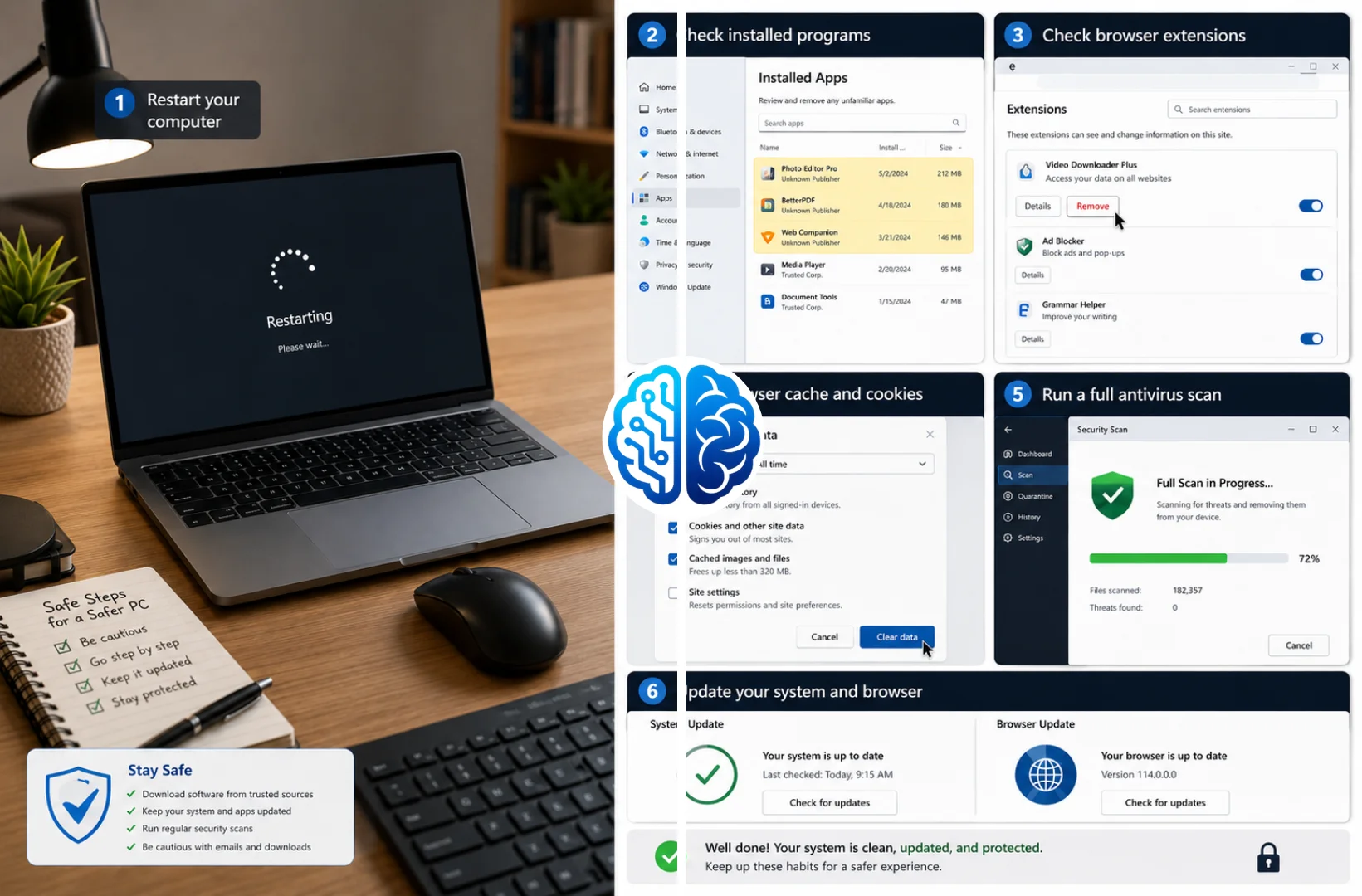
Start with a simple restart. Many temporary software problems disappear after restarting the device. This clears active processes and gives the system a clean start.
Then check installed programs. Remove apps that you do not recognize, especially if they appeared recently. Be careful not to remove important system apps. If you are unsure, search the exact app name and developer before uninstalling.
Next, check your browser extensions. In Chrome, Edge, or Firefox, open the extensions page and remove anything unknown. Extensions that promise free downloads, search changes, coupons, or “security fixes” can sometimes cause unwanted pop-ups.
After that, clear browser cache and cookies. This can remove stored site data connected to redirects or repeated warnings. You can also reset browser settings if the homepage, search engine, or notification settings have changed.
Now run a full antivirus scan. Use Windows Security or another trusted security tool. Avoid unknown “PC repair” apps because they may create more problems instead of solving them.
Finally, update your system. Install Windows updates, browser updates, and driver updates from official sources. Updates often fix security weaknesses and software compatibility issues.
What Not To Do
Do not download a file just because it says it can fix Zenvekeypo4. Unknown repair tools are risky. They may install more unwanted software or ask for permissions they do not need.
Do not call phone numbers shown in pop-up warnings. Real software companies do not usually show random browser alerts asking users to call support immediately. Fake support scams often use fear to make users pay money or give remote access.
Do not enter passwords, banking details, or personal information on pages connected to suspicious alerts. If a page is not official and verified, it should not receive sensitive information.
Do not ignore the issue if strange behavior continues. If pop-ups keep coming back, the browser keeps redirecting, or unknown programs return after removal, the device may need a deeper cleanup.
Benefits of Fixing It Safely
The biggest benefit is protecting your device. A careful cleanup can remove unwanted programs, reduce pop-ups, and improve system stability.
Another benefit is better privacy. Unknown software may request unnecessary permissions or collect data. Removing suspicious apps and extensions reduces that risk.
Safe troubleshooting can also improve performance. Unwanted background programs may slow down startup time, consume memory, or affect browser speed. Removing them can make the device feel cleaner and faster.
It also helps prevent future issues. Once users understand how fake alerts, bundled apps, and suspicious extensions work, they become more careful with downloads and browser permissions.
Most importantly, a safe fix avoids panic. Instead of clicking random repair buttons, users learn to check the source, scan the device, and use trusted tools.
Better Alternatives
If someone was looking for Zenvekeypo4 as a productivity tool, there are safer alternatives with clear reputations. For task management, tools like Trello, Notion, Asana, ClickUp, and Microsoft Planner are widely used and easier to verify.
If the goal is automation, trusted platforms such as Zapier, Make, Microsoft Power Automate, and IFTTT are better options because they provide official documentation, support, pricing pages, and clear company details.
If the goal is password management, users should choose reputable password managers with strong security practices, official browser extensions, and transparent privacy policies.
If the goal is system cleanup, users should start with built-in tools such as Windows Security, Storage Sense, Disk Cleanup, and browser reset options. These are safer than unknown repair software.
How To Stay Safe
Download software only from official websites, Microsoft Store, or trusted developer pages. Avoid downloading apps from random pop-ups, shortened links, or websites that use urgent warnings.
Read installation screens carefully. Many unwanted programs appear because users accept optional offers during installation. Choose custom installation when available and uncheck extra apps you do not need.
Keep your browser clean. Remove unused extensions, block suspicious notifications, and avoid allowing notifications from unknown websites.
Back up important files regularly. If a software issue becomes serious, backups protect your documents, photos, and work files.
Use strong passwords and enable two-factor authentication for important accounts. If you think suspicious software was installed, change important passwords after cleaning the device.
PEOPLE ALSO READ : Zenvekeypo4 Software: What It Is, Uses, Benefits, and Safety Details
Final Thoughts
Fix Zenvekeypo4 software issue is not just a normal troubleshooting keyword. Because Zenvekeypo4 is not clearly verified as a trusted mainstream software product, users should approach it with caution. The issue may be a real app problem, but it may also be connected to suspicious pop-ups, unwanted extensions, or misleading repair pages.
The safest path is simple. Do not click unknown alerts. Do not download random fix tools. Check installed apps, remove suspicious programs, clean browser extensions, reset browser settings if needed, and run a trusted security scan.
A real fix should protect your device, not create more risk. If you cannot confirm the official source of Zenvekeypo4, it is better to remove suspicious traces and use trusted alternatives instead.
In the end, the best solution is not only to fix the current issue but also to understand why it appeared. Careful downloads, clean browser habits, regular updates, and trusted security tools can help prevent similar problems in the future.
Frequently Asked Questions
What is fix Zenvekeypo4 software issue?
It means solving problems linked to Zenvekeypo4 software, warning messages, pop-ups, or unknown app errors.
Is Zenvekeypo4 software safe to use?
Zenvekeypo4 is not clearly verified as trusted software, so users should avoid random downloads linked to it.
Why does Zenvekeypo4 issue appear on my device?
It may appear because of unwanted software, browser pop-ups, suspicious extensions, corrupted files, or unsafe downloads.
How can I fix Zenvekeypo4 software issue safely?
Check installed apps, remove unknown programs, clean browser extensions, reset browser settings, and run a trusted security scan.
Should I download a Zenvekeypo4 repair tool?
No. Avoid unknown repair tools unless they come from a verified official source and trusted developer.