
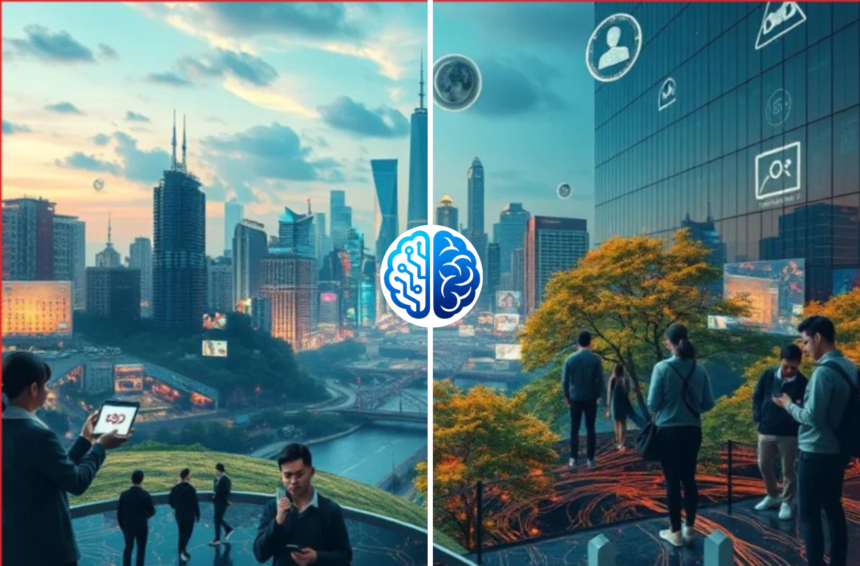
Technology is no longer something we use only when needed. It sits in our pockets, runs through our homes, supports our workplaces, guides our travel, manages our money, and shapes how we learn, shop, communicate, and relax. A few decades ago, people used technology as a helpful addition to daily life. Today, for many people, daily life almost feels impossible without it.
That is why the question “Are we too dependent on technology?” matters so much. It is not only a school essay topic or a debate question. It is a real issue that affects families, students, workers, businesses, and entire societies. We use phones to remember birthdays, maps to find roads, search engines to answer simple questions, apps to order food, and digital tools to manage work. Technology has made life easier in many ways, but it has also quietly changed our habits.
The honest answer is not that technology is good or bad. Technology itself is a tool. The real concern is how deeply we rely on it and whether we can still think, communicate, work, and live well without constant digital support.
Quick Bio Table
| Field | Details |
|---|---|
| Topic Type | Technology, society, lifestyle, education, and digital habits |
| Main Question | Has technology become a helpful tool or an everyday dependency? |
| Best For | Students, bloggers, parents, professionals, and general readers |
| Reading Level | Easy to understand, informative, and practical |
| Main Focus | Benefits, risks, examples, and balanced technology use |
| Key Benefit Covered | Faster communication, better learning, healthcare support, and convenience |
| Key Risk Covered | Distraction, privacy concerns, health issues, and weaker real-world habits |
| Practical Angle | How to use technology without letting it control daily life |
| Conclusion Style | Balanced view with realistic advice |
What It Means
Being dependent on technology means relying on digital devices, software, machines, or online systems to complete everyday tasks. This can include using smartphones, computers, the internet, artificial intelligence, GPS, online banking, digital classrooms, medical machines, and workplace automation.
Some dependence is normal and even necessary. Hospitals need medical technology. Banks need secure digital systems. Schools need learning tools. Businesses need communication platforms. In modern society, technology helps people work faster and more efficiently.
The problem begins when dependence becomes excessive. If a person cannot focus without checking their phone, cannot travel without GPS, cannot solve simple problems without searching online, or feels anxious when disconnected, technology may no longer be just a tool. It may have become a habit that controls attention and behavior.
Why We Depend
People depend on technology because it solves problems quickly. It saves time, reduces effort, and gives instant access to information. Instead of waiting days for a letter, we can send a message in seconds. Instead of visiting a bank, we can transfer money from a phone. Instead of searching through books for hours, students can find learning material online almost instantly.
This convenience is powerful. Once people experience faster ways of doing things, going back to slower methods feels difficult. That is one reason technology becomes deeply connected to daily routines.
Another reason is social pressure. Many schools, offices, businesses, and services now expect people to be online. Job applications, exam portals, delivery services, customer support, meetings, and even government services often depend on digital access. In many cases, people are not choosing technology only because they like it. They are using it because modern systems require it.
Daily Presence
Technology is present from morning to night. A person may wake up with a phone alarm, check messages, use a weather app, attend an online class, work on a laptop, pay bills digitally, order lunch through an app, use GPS to travel, watch videos in the evening, and sleep after scrolling social media.
This routine feels normal now. But it also shows how many small decisions are handled by devices. Technology has entered spaces that were once completely human: memory, conversation, navigation, entertainment, learning, and even emotional comfort.
This does not mean every use is harmful. Many uses are practical and helpful. The important point is awareness. When people understand how much they rely on technology, they can make better choices about where it helps and where it quietly takes over.
Main Benefits
The biggest benefit of technology is convenience. It makes difficult tasks easier and slow tasks faster. People can communicate across countries, learn new skills, run businesses from home, receive medical advice online, and access important services without traveling long distances.
Technology also creates opportunities. Freelancers can work with international clients. Small businesses can sell products through social media and websites. Students can attend online courses. Families separated by distance can stay connected through video calls.
In emergencies, technology can be life-saving. Quick communication, digital maps, health monitoring devices, online medical records, and emergency alerts can help people respond faster. These are not small advantages. They have changed the way society functions.
Better Communication
Communication is one of the clearest examples of technology’s value. Messages, calls, emails, and video meetings allow people to stay connected no matter where they are. A parent working abroad can speak to family every day. A student can ask a teacher for help after class. A business owner can respond to customers instantly.
In the workplace, technology has made teamwork easier. People can share documents, hold meetings, track tasks, and manage projects from different locations. Remote work would not be possible at the same scale without digital communication tools.
Still, communication technology has two sides. It connects people across distance, but it can also reduce attention in face-to-face conversations. Many people now sit together physically while mentally being somewhere else on their screens. The benefit is real, but balance is necessary.
Education Support
Technology has changed education in a major way. Students can watch lectures, read digital books, join online classes, use learning apps, and research topics from home. This is especially useful for students who live far from quality schools or cannot afford expensive learning resources.
Digital tools can also support different learning styles. Some students understand better through videos. Others prefer quizzes, diagrams, animations, or recorded lessons they can replay. Technology gives learners more control over pace and method.
However, access to technology alone does not guarantee better learning. A laptop or tablet is only useful when it is used with purpose. If students use devices mostly for games, social media, or copying answers, technology can weaken learning instead of improving it. Good teaching, discipline, and thoughtful use still matter.
Healthcare Gains
Modern healthcare depends strongly on technology. Doctors use machines for diagnosis, digital records for patient history, online systems for appointments, and advanced equipment for treatment. Many people also use fitness bands, health apps, and online consultations to manage their health.
Technology helps doctors detect problems earlier and treat patients more accurately. Medical imaging, lab systems, robotic tools, and remote monitoring have improved healthcare quality in many places. For patients in remote areas, telemedicine can reduce travel and make expert advice more accessible.
But healthcare technology should support human care, not replace it completely. A machine can provide data, but doctors, nurses, and caregivers still provide judgment, empathy, and personal understanding. The best healthcare combines technical accuracy with human attention.
Work and Business
Technology has transformed work. Offices use computers, cloud storage, digital payments, video meetings, project management tools, and automation. Businesses use websites, social media, online ads, customer databases, and delivery platforms to grow.
For small businesses, technology can be a powerful equalizer. A person with a good product and basic digital skills can reach customers without owning a large shop. Online platforms have opened doors for entrepreneurs, freelancers, teachers, designers, developers, and content creators.
At the same time, technology has increased pressure. Workers are often expected to reply quickly, stay available after office hours, and keep up with new tools. This can blur the line between work and personal life. The same tools that improve productivity can also create burnout when boundaries are weak.
Real-Life Examples
A common example of dependence is navigation. Many people use GPS even for familiar routes. It is helpful, especially in new places, but over time it can reduce natural direction sense. People may stop noticing landmarks because the phone is doing all the thinking.
Another example is memory. Many people no longer remember phone numbers, addresses, schedules, or important dates because everything is saved in apps. Digital reminders are useful, but complete reliance can make people less mentally active.
A third example is social behavior. In restaurants, classrooms, buses, and family gatherings, people often check phones repeatedly. Sometimes they are not expecting anything important. They are simply used to the habit. This shows how technology can become automatic rather than intentional.
The Risk of Overuse
The main risk is not technology itself, but uncontrolled use. Too much screen time can affect focus, sleep, posture, eyesight comfort, and emotional well-being. Constant notifications train the brain to expect interruption. This makes deep thinking harder.
Many people also compare their lives with others on social media. This can create stress, jealousy, or dissatisfaction. Online platforms often show polished moments, not full realities. When people forget that, they may feel behind in life even when they are doing fine.
Overuse also affects children and teenagers. Young people need physical play, real conversation, reading habits, and patience. If screens fill every empty moment, they may struggle with boredom, attention, and social confidence.
Privacy Concerns
Every digital action can leave a trace. Apps, websites, devices, and online services may collect data about location, habits, searches, purchases, contacts, and interests. This data can be used for advertising, personalization, security checks, or sometimes harmful purposes.
Online scams, weak passwords, fake links, identity theft, and hacking are serious concerns. Many people use technology every day without understanding basic digital safety. This makes them vulnerable.
Privacy does not mean avoiding technology completely. It means using it carefully. Strong passwords, two-step verification, updated software, limited app permissions, and careful sharing can reduce risk. Digital awareness is now a basic life skill.
Thinking Skills
Technology gives quick answers, but quick answers do not always build understanding. When people search every question immediately, they may stop thinking deeply. When students copy information without processing it, learning becomes shallow.
Calculators, search engines, translation tools, and artificial intelligence can be useful when used properly. They save time and support productivity. But they should not replace the habit of reasoning. A student should still understand the concept. A worker should still check accuracy. A person should still think before accepting an answer.
Real intelligence grows through effort, mistakes, discussion, and reflection. Technology can support that process, but it cannot do all of it for us.
Human Connection
One of the most sensitive effects of technology dependence is the impact on relationships. Digital communication is fast, but it is not always deep. A message can deliver words, but it may miss tone, facial expression, silence, and emotional presence.
Families may live in the same house but spend evenings on separate screens. Friends may meet but keep checking notifications. Couples may talk less because entertainment is always available. These small habits can slowly weaken closeness.
Human connection needs attention. It needs listening, eye contact, patience, and time. Technology can help people stay in touch, but it should not replace real presence.
Job Changes
Automation and artificial intelligence are changing the job market. Machines and software can now perform tasks that once required human workers. This can improve speed and reduce costs, but it can also create fear about job security.
Some jobs may disappear or become smaller. Others will change. New jobs will also appear in areas like software, cybersecurity, digital marketing, data analysis, robotics, and online services. The challenge is adaptation.
People who keep learning are more likely to benefit from technology. The future will reward not only technical skills, but also creativity, communication, problem-solving, ethics, and emotional intelligence. These are areas where humans still matter deeply.
A Balanced View
So, are we too dependent on technology? In many ways, yes. Modern life depends heavily on phones, internet access, digital payments, online systems, and automated tools. When these systems fail, people quickly feel stuck.
But the better question is not whether we should stop using technology. That is unrealistic. The better question is whether we are using technology with control and purpose.
A healthy relationship with technology means using it when it adds value and stepping away when it begins to harm focus, health, privacy, or relationships. It means keeping basic human skills alive: thinking, remembering, talking, reading, moving, and solving problems.
Healthy Habits
A good first step is setting screen boundaries. People can keep phones away during meals, avoid screens before sleep, turn off unnecessary notifications, and schedule device-free time.
Another helpful habit is using technology intentionally. Before opening an app, ask: “Why am I using this?” If there is no clear reason, it may be a habit rather than a need.
It also helps to practice offline skills. Read printed books sometimes. Learn routes without GPS. Do simple calculations mentally. Spend time outdoors. Talk to people without checking your phone. These small habits rebuild independence.
For Students
Students should use technology as a learning assistant, not a shortcut for every answer. Watching a video is useful, but writing notes, asking questions, and practicing problems are still important.
Online research should also be done carefully. Not everything on the internet is correct. Students should learn how to compare sources, check facts, and write in their own words.
The best student is not the one who avoids technology. The best student is the one who uses it wisely and still builds real understanding.
For Parents
Parents do not need to treat technology as an enemy. Children are growing up in a digital world, and they need digital skills. But they also need limits, guidance, and real-life experiences.
Parents can create simple rules: no phones during family meals, fixed screen time, safe websites, open conversations about online behavior, and regular outdoor activities. The goal is not control for the sake of control. The goal is healthy development.
Children learn from what adults do. If parents are always on their phones, children will copy that behavior. A balanced home starts with balanced examples.
For Workers
Workers should protect their attention. Constant emails, messages, and app alerts can make people feel busy without being truly productive. Deep work requires quiet time and fewer interruptions.
It is also important to set boundaries. Not every message needs an instant reply. Not every task needs another app. Sometimes a short meeting, a notebook, or a direct conversation works better.
Technology should make work smoother, not heavier. The goal is better output, not endless online activity.
PEOPLE ALSO READ : Update Dorgenven Version: What Users Should Know Before Upgrading
Final Thoughts
Technology has given us speed, comfort, access, and opportunity. It has improved communication, education, healthcare, business, and daily convenience. It helps people solve problems that were once difficult or impossible.
But dependence becomes dangerous when people lose control over their attention, habits, privacy, relationships, and basic thinking skills. A phone should not control a person’s mood. A search engine should not replace curiosity. A screen should not replace family. Convenience should not replace capability.
The best path is balance. We should use technology with gratitude, but also with discipline. We should enjoy its benefits while protecting our health, focus, privacy, and human connection. In the end, technology should remain what it was meant to be: a tool that serves human life, not a force that quietly runs it.
Frequently Asked Questions
Are we too dependent on technology today?
Yes, in many areas we are highly dependent on technology. People rely on phones, internet access, online payments, GPS, digital communication, and work tools every day. This dependence is not always bad, but it becomes a problem when people cannot function well without technology.
What are the main benefits of technology?
The main benefits include faster communication, easier access to information, better education, improved healthcare, business growth, online services, and daily convenience. Technology saves time and helps people complete tasks more efficiently.
What are the risks of too much technology use?
Too much technology use can lead to distraction, poor sleep, eye strain, weak focus, privacy risks, reduced face-to-face communication, and less physical activity. It can also make people rely less on memory and problem-solving skills.
How can students use technology wisely?
Students should use technology for learning, research, practice, and skill development. They should avoid copying answers without understanding them and should balance online study with reading, writing, discussion, and independent thinking.
How can we reduce technology dependence?
People can reduce dependence by setting screen limits, turning off unnecessary notifications, taking digital breaks, practicing offline skills, spending time outdoors, protecting privacy, and using devices with a clear purpose.